Objective
To explore the forms of typography and translate them into an informational graphic that educates people about the subject matter.
Specifications / Requirements
Quantity: 1 Poster
Size: 11″x17″ Poster
Bleeds: .25″ on all four sides
You can orient the series horizontally [landscape] or vertically [portrait].
Use RICH BLACK otherwise known as PRINTER’s BLACK. This creates a richer looking black in the final print.
The formula for printers black is:
C=60, M=40, Y=40, K=100
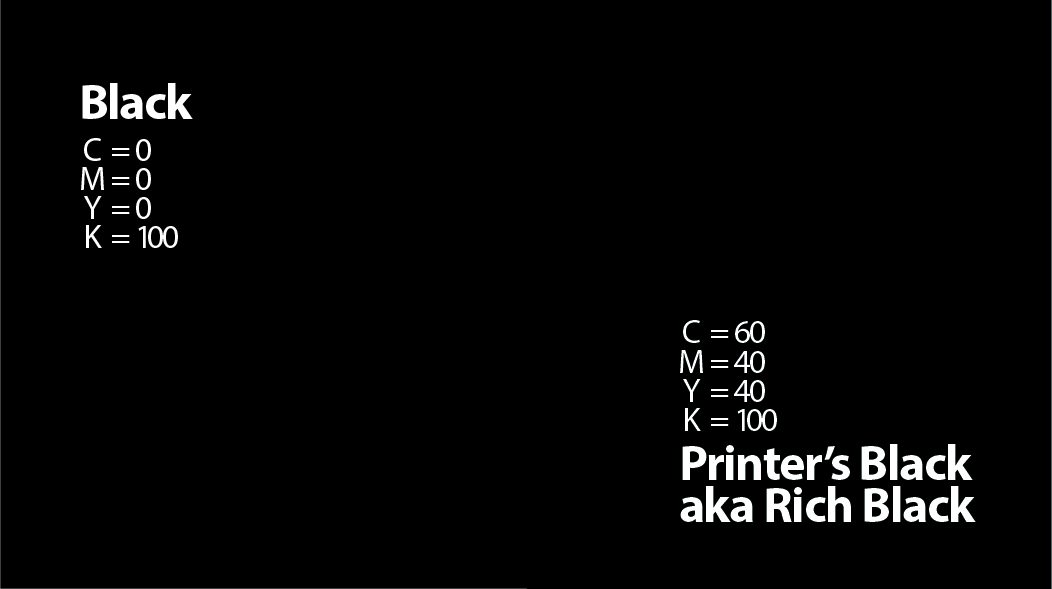
Note: Depending upon your monitor, you may note see the difference between Rich Black and 100% Black since you are viewing in digital space. However, there is a significance difference in the Blacks in the physical printing world. Be sure to set your Adobe Application to “DISPLAY BLACKS ACCURATELY.” To do this go into the settings menu to change this.
Type Anatomy Poster
Using your name, design a poster composition identifying the anatomy of type within the characters of your name. Find creative ways to design an asthetically pleasing compositional poster. Use a mix of upper and lower case letters and mix fonts.
The main object of the poster introduce the parts of letterforms in an interesting way to the viewer and learn the parts of letterforms using your own given name.
1. You can use a mix of typefaces and upper and lower case characters and use color.
2. The explanatory copy can be taken from the references on typography that you can find on the internet. I have included a few reference links below to get you started. You can search by the keyword “type anatomy” and look at the images to get some ideas for your poster.
3. Convert your letterforms to outlines and utilize the pathfinder tool to slice the various elements of the letterform to identify it with a different color.
For example, explanatory text could be in one color, and parts of the letterforms in another.
NOTE: This project has been modified from the student examples below.
Student Examples
Resources
There are lots more resources on the web for type anatomy. Do your own search using the key words “type anatomy” and see what comes up.
https://visme.co/blog/type-anatomy/